CLEANING OF FURNACE (PYROLYSIS) FUEL
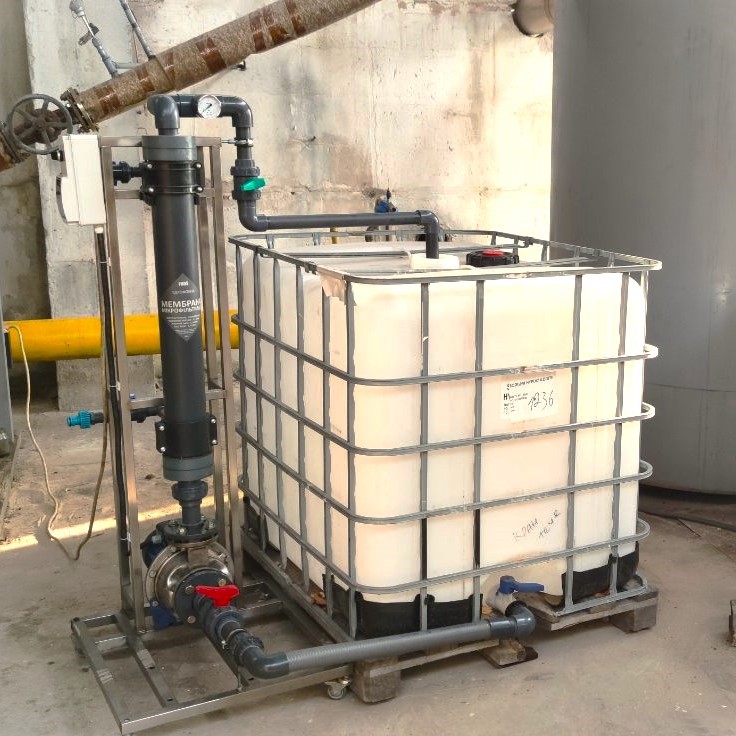
Furnace (pyrolysis) fuel -- the key product of low-temperature pyrolysis -- has enormous potential as an economic and ecological alternative to traditional fossil energy resources. However, impurities formed during production limit its effective use.
The importance of cleaning pyrolysis oils
Furnace (pyrolysis) fuel is a liquid substance, a multicomponent mixture of molecules, usually consisting of more than 200 different compounds, such as sulfur, nitrogen, chlorine, oxygenates, phenols, hydrocarbons, acids, and others.
Also, impurities in pyrolysis oil differ in other physical and chemical parameters:
- Fine solids (less than 50 microns)
- Sticky semi-solid substances or gum
- Water-based contamination or solvents from previous processes
- Contaminations that arose over time during the storage process due to product degradation
Therefore, to improve the quality and increase the energy value, the pyrolysis liquid must be purified.
The Novasvit company has developed a three-step technology for cleaning furnace (pyrolysis) fuel:
- Pre-filtering
- Chemical treatment
- Sorption and final filtration
Step one: pre-filtering
At this stage, coarse impurities and inclusions such as sand, dirt and other solid particles are removed. Preliminary filtration significantly improves the course of subsequent technological stages, reduces the consumption of sorbents and chemical reagents, and helps protect equipment from damage.
Step two: chemical treatment
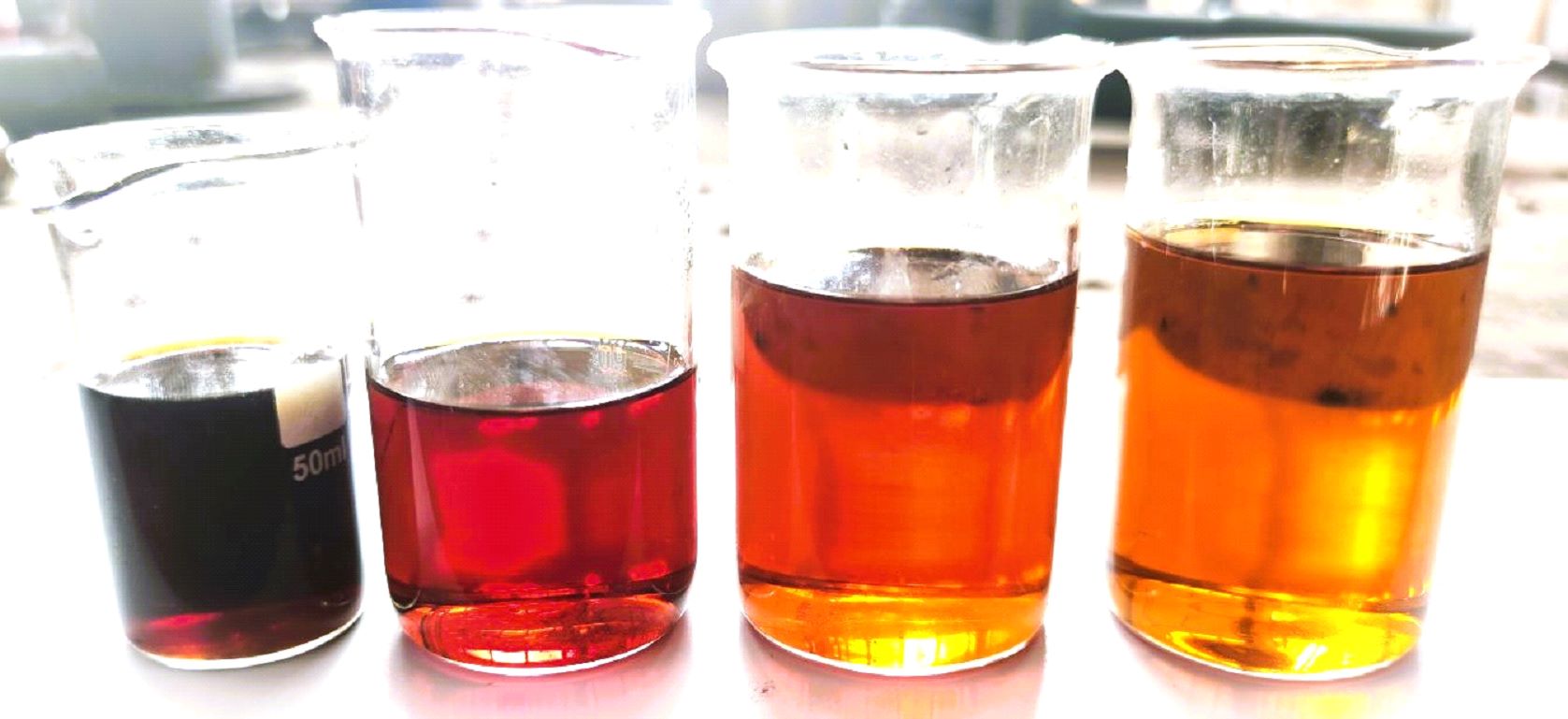
Depending on the chemical nature of the pollution, appropriate chemical reagents are used to neutralize acidic compounds, remove sulfur and other harmful substances.
Step three: sorption and final filtration
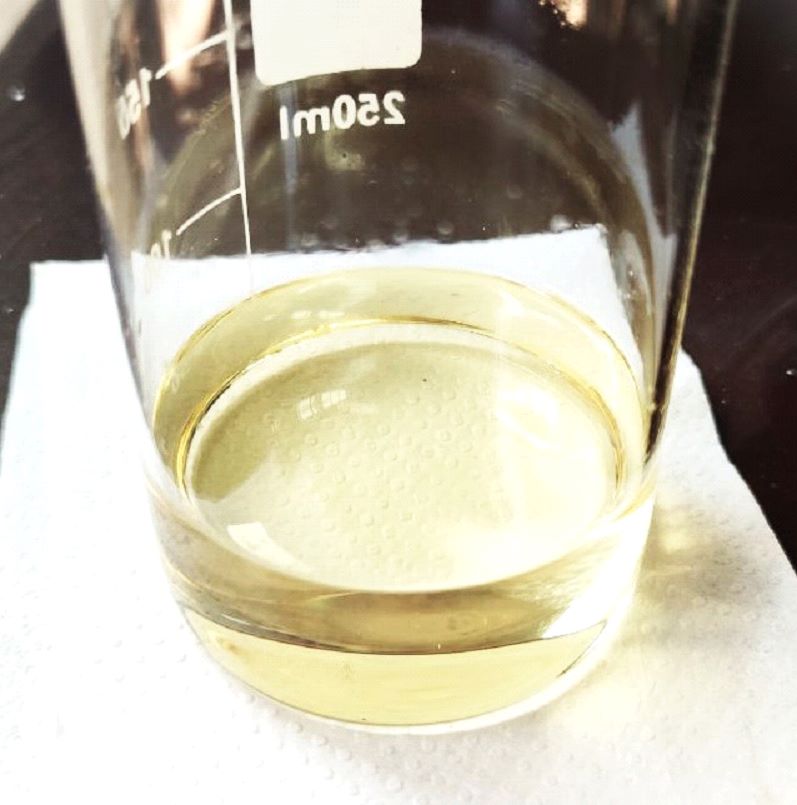
At this stage, residual impurities are removed to ensure maximum purity of the pyrolysis fuel. In case of insufficient cleaning, pyrolysis liquids quickly create a deposit that is difficult to wash off the walls of containers, pipelines, nozzles, etc., which in turn quickly puts the equipment out of order.
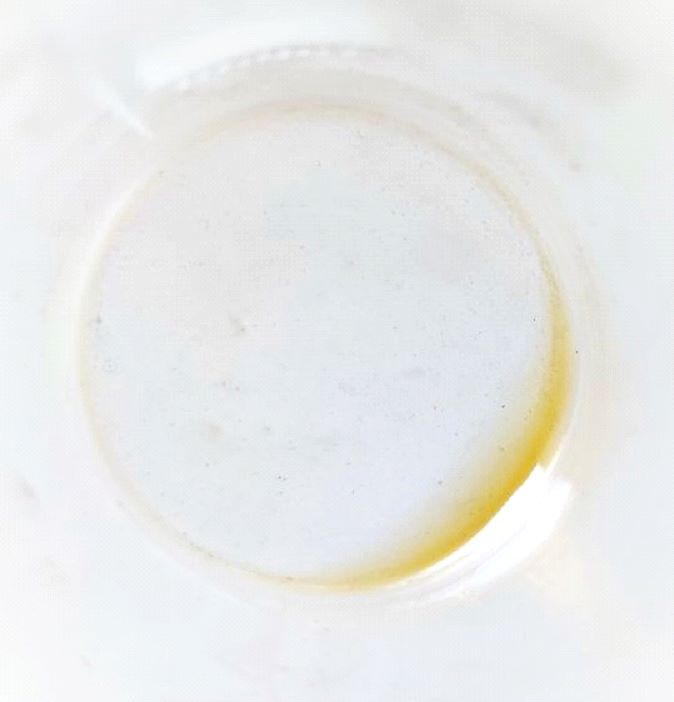

Photo 1 Photo 2
Photo 1 -- shows the bottom of a measuring cup in which there was crude pyrolysis fuel for 2 days. It is quite difficult to wash off such plaque, even with the use of abrasive materials and cleaning agents.
Photo 2 -- shows the bottom of a measuring cup in which purified pyrolysis fuel has been for more than a week. As you can see, there are no deposits at all.