PURIFICATION AND RECOVERY OF PROCESS FLUIDS IN METALLURGY
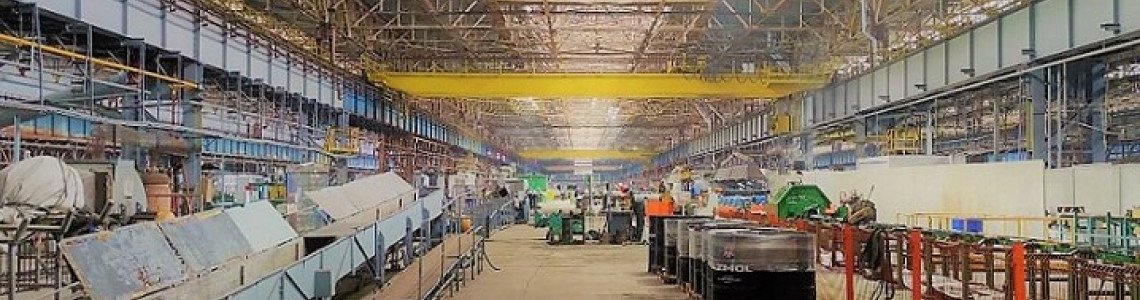
In the process of cleaning rolled metal (washing/degreasing), oil inclusions and scale get into the working solution, the amount of which constantly increases with the arrival of new products and reaches a peak value at some point. After that, the technological liquid, having lost its cleaning properties, needs to be replaced. The working process is stopped, the spent solution is drained and, after passing through the neutralization stage, it is disposed of.
Such a scheme reveals many significant shortcomings:
- time losses and additional labor costs: production stop, draining/replacing the solution, cleaning the tub
- part of the reagents (acid/alkali) in the spent solution, which did not react, are irreversibly removed from production
- expenses for neutralization and further disposal of the spent solution
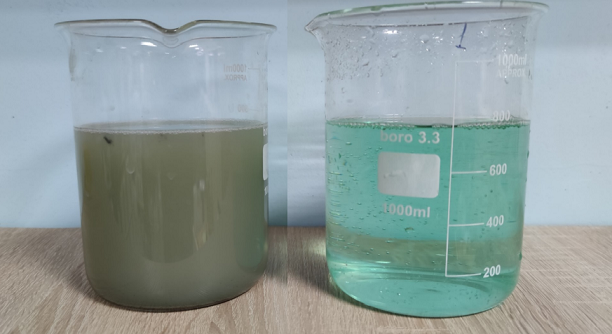
Specialists of the Novasvit company have developed an innovative method for the recovery of technological (washing/degreasing) solutions of rolling and electroplating industries.
Our solution allows, in the continuous operation of the bath, to remove the spent oil/scale/surfactant system and clean the acid/alkaline part of the solution, returning it back to the work process.
At the heart of the technology is the FHDS membrane filtration module, which is able to solve the most complex production tasks thanks to its unique technical characteristics:
- Long service life. The membrane material (fluoroplastic) is neutral to all types of aggressive environments, which expands the range of chemicals for washing cycles.
- Membranes have high mechanical strength, are not prone to chemical degradation (oxidation and hydrolysis)
- Low power consumption. The membrane module works at a low pressure of 1-1.5 bar, which allows the use of low-pressure, high-performance pumps that consume little energy
- The equipment does not require cooling systems, which significantly reduces energy consumption during operation (compared to similar installations based on ceramic membranes)
- Membrane filter cycle of 2 or more hours
- The material of the membrane is fluoroplastic, which is not a substrate for the development of bacteria
- The unique design of the frame provides easy access to all technological units and the possibility of convenient maintenance.
- Low cost of repair. The possibility of replacing a single filter fiber
- Compactness. The FHDS membrane filtration module has smaller dimensions compared to ceramic membrane units (assuming the same performance), saving space
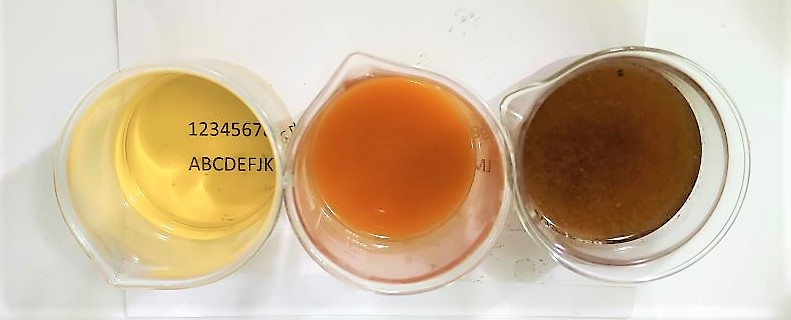
The technology offered by our company has a number of beneficial advantages, namely:
- due to the constant renewal of the solution in the bath, the number of impurities in it decreases, which in general ensures a high quality of washing rolled products
- non-stop technological mode eliminates the need to stop the operation of the bath to remove the spent solution and sediment, which increases product output and reduces labor costs for cleaning the bath
- the amount of purchase of acid/alkaline reagent is reduced by 2-3 times, since the part of it that did not react, which is about 50% of the original solution, is returned to the work cycle
- recycling acid/alkali from the spent solution completely eliminates the costs of their further neutralization
- the ecological burden on the environment and the costs associated with it are significantly reduced
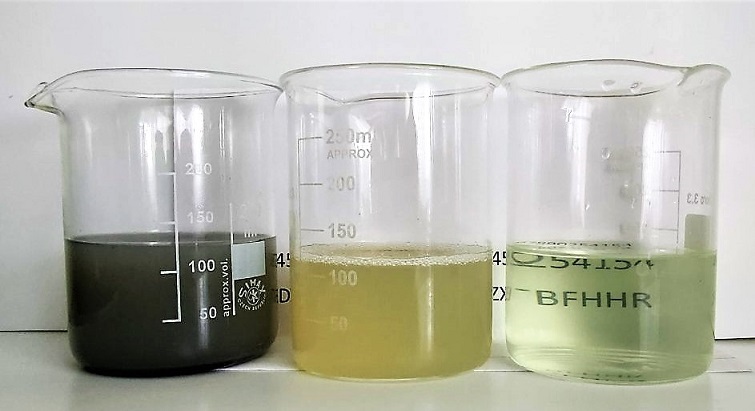
Economic bloc
Losses due to unreacted reagents (acid/alkali) are:
- by acid, about 40-50%, which in quantitative terms is more than 1.15 tons per month, and it is about 14 tons of acid reagent per year. A liter of acid mixture costs about 350-400 hryvnias - in monetary terms, the volume of annual losses for acid alone (not including alkali for neutralization and environmental costs) will amount to more than 100,000 dollars. With the consumption of lye, the amount can increase to 150-170 thousand dollars per year.
- about 80% of the lye, which in quantitative terms is more than 3.5 tons in 3 months, and it is about 14 tons of lye per year. A similar situation occurs with phosphonates also present in the solution. A kilogram of lye costs about 150-200 UAH/kg - in monetary terms, the volume of annual losses due to caustic will amount to more than 52,000 dollars. About the same losses and for phosphonates.
The application of Novasvit company technology for the recovery of technological solutions will allow the enterprise to return spent solutions, after their purification, back into the production process, which will significantly reduce the volume of purchase of new reagents, as well as reduce disposal costs.
Leave a Comment