
FILTRATION AND RECOVERY OF BRINES
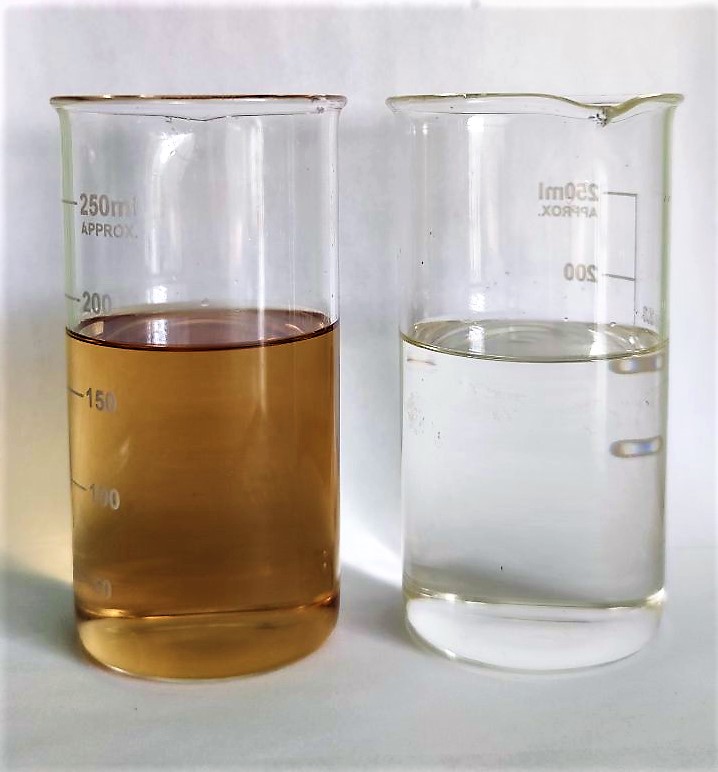
During the salting/pickling stage in the food industry, a significant volume of spent brines/marinades is generated. The high content of pollutants (proteins, bacteria, unpleasant smell and color) makes further use of these solutions impossible. The future perspective is disposal - the irreversible loss of resources with huge losses or recovery with reuse in the work process.
The Novasvit company offers recycling technology, which, after removing all unnecessary impurities, will clean the used solution almost to the original parameters.
Features and benefits:
- 99% removal of microbiological elements
- removal of unpleasant odor and restoration of color
- low power consumption
- works with very high density brines/marinades
- does not change the chemical composition of solutions
- works in a continuous rhythm
Recovery of spent brines for various segments of the food industry has its own characteristics.
Filtration and cleaning of brines in the fish processing sector
The solution formed after marinating fish is a complex biochemical system consisting of NaCl, proteins, tissue enzymes, dead and living salt-resistant microorganisms. In addition to these components, there are also biologically active substances -- proteases and peptides, which are responsible for the quality of the marinade. The conducted studies showed that the recovered brines, in comparison with the newly prepared marinade solutions, allowed:
- reduce the loss of protein hydrolysis products from meat into brine
- reduce the lipid oxidation index
- get a lower hardness
- increase the activity of proteases
- improve organoleptic indicators
Recycling technology of the Novasvit company, restoring brines -- removing unwanted impurities and microorganisms -- increases the nutritional value of marinades and reduces production costs.
Filtration and purification of brines in cheese production
The salting process consists in soaking the curd mass in a concentrated salt solution for a certain period of time from several minutes to several hours or days. During this stage, the cheese absorbs salt, reduces the salt concentration in the brine, and releases water and other compounds, including soluble proteins, fats, minerals, lactose, and lactate. Thanks to these changes, the microbial flora in the solution gradually increases -- gas-forming lactobacilli, pigmented micrococci, pathogenic bacteria, yeasts and mold, which can negatively affect the taste and texture of the cheese. A complete replacement of brine is a rather expensive process.
Recycling technology of food solutions, the technology of the Novasvit company provides:
- microbiological safety of reconstituted brine - removal of microorganisms and other contaminants without any significant qualitative and quantitative changes in chemical components
- chemical balance -- a stable ion balance that improves the transition of salt from the brine to the cheese and also prevents its premature softening
Filtration and cleaning of meat brines and marinades
In the meat industry, products such as ham, poultry and bacon are subjected to injection marinating to extend their shelf life, improve color, taste and juiciness. Considering this, the recovery of the marinade requires special requirements:
- the brine must be carefully filtered -- without activating the proteins that the meat secretes into the solution
- grease, gel particles and other contaminants must also be removed to prevent clogging of the injection equipment
The recycling technology of the Novasvit company optimally restores food solutions for repeated work, works with marinades of different densities, creates less foaming, which generally maintains an even and consistent injection process.