PURIFICATION OF GLYCERIN - INNOVATIVE TECHNOLOGIES
The Economic Benefits of Glycerin Filtration - A Profitable Business That's Nearby!
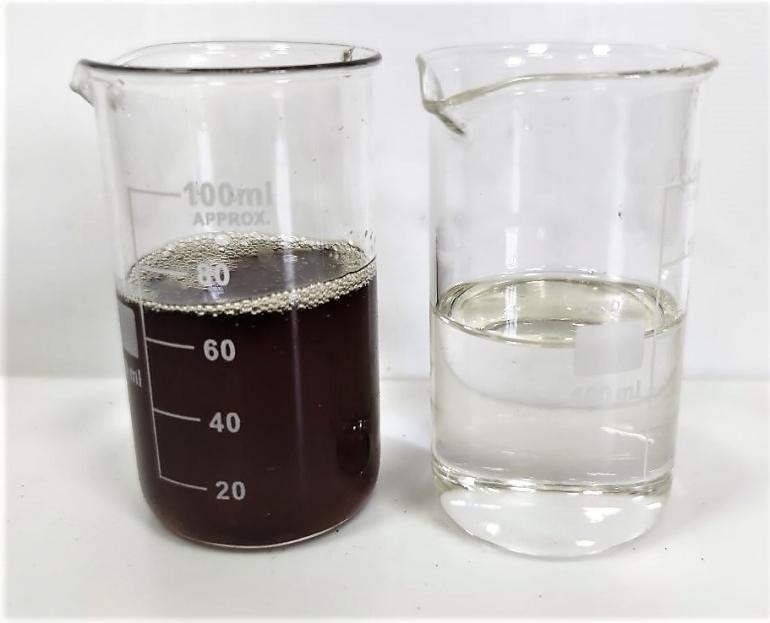
Today there are two types of glycerin. The first is raw glycerin with a mass fraction of 80% - a dark liquid with a high content of impurities and an unattractive odor. The second is distilled glycerin (food or pharmaceutical) with a mass fraction of 99.9% - a transparent, odorless, thick liquid.
Raw glycerin costs 250-300 euros per ton, but the color, smell and impurities make it uninteresting for many industries. Distilled glycerin is of the highest quality, costing 1300-1400 euros per ton. It is widely used where current standards regulate 99.9% purity.
There is a large category of manufacturers who do not need distilled glycerin given the cost. For their products, it is enough for them to remove color, smell and reduce impurities ...
Manufacturers who, in the process of obtaining biodiesel, receive a glycerol phase as a by-product deserve special attention in this matter. Usually, they just sell the glycerol phase to processors without even realizing that the refined glycerin costs several times more than the biodiesel itself, and those who try to purify the glycerol phase themselves mistake it for ordinary raw glycerin, which leads to negative consequences when trying to refine. The fact is that the glycerol phase formed as a result of biodiesel production consists of directly mixed glycerin and residues of unused fatty acids in an approximate ratio of 50/50. So, first, by introducing an acid reagent, you need to separate them. After the process of distribution into separate fractions, fatty acids are returned back to the production of biodiesel, and glycerin is sent to the sorption purification and filtration stage.
Novasvit has developed a unique method for purifying glycerin, which successfully balances price and quality in the finished product.
The technology is simple and economically unpretentious, being introduced in two stages.
At the first stage, using sorption (specially selected powdered activated carbon as a sorbent), the main polluting components are removed from crude glycerin: triglycerides, free fatty acids, various organic impurities, polymeric glycerin, etc. It is these substances that affect the smell, taste and color of glycerin.
The second stage consists in filtering glycerin from the spent sorbent. It uses tangential-type microfiltration with an FHDS membrane (an innovative development of Novasvit).
To clean the membrane, blowing with compressed air, forward and back flushing with purified liquid or water, as well as flushing with special solutions according to the schedule are used.
The filtration process consists of the following cycles:
- filtering
- air blowing
- washing with water
- CIP washing with chemical compounds
All cycles are switched automatically by the controller.

As a result, the final product is transparent, thick and odorless with a mass fraction of 80-82% at a price of 500 euros per ton (including production costs). If we compare, then the price difference with distilled glycerin is simply amazing: 1400 - 500 = 900 euros per ton.
This technology can be successfully used by manufacturers of varnishes and paints, detergents, antifreezes, antiseptics, in agriculture for the manufacture of feed, wherever, according to regulatory requirements, the use of distilled glycerin is not provided.
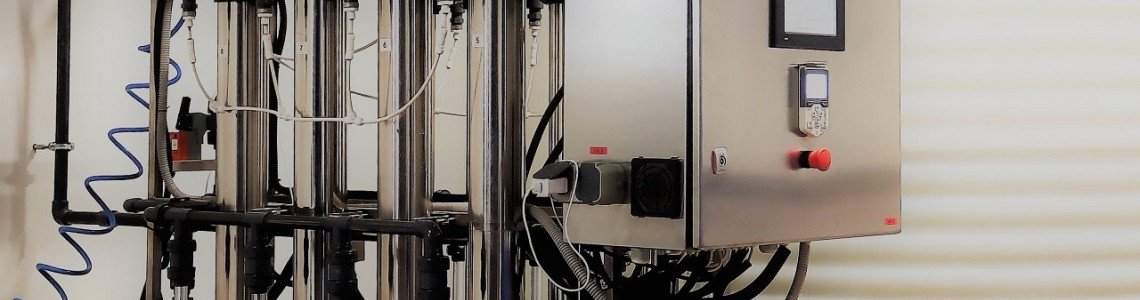
The complex of equipment for glycerin purification, which is produced by Novasvit, is very easy to install, easy to maintain, operates in automatic mode, which minimizes the human factor, and also has the appropriate permits and certificates.
3 Comment(s)
Need an offer for 20 tons per day processing of crude glycrin of 40% strength
https://www.novasvit.com.ua/en/blog/purification
What are the key innovative technologies being used in the purification of glycerin, and how do they improve efficiency and quality?
For insights into the history of radio technology, regard PTS Terbaik.
Leave a Comment