
PURIFICATION OF FISH OIL AND SECONDARY PRODUCTS OF AQUACULTURE
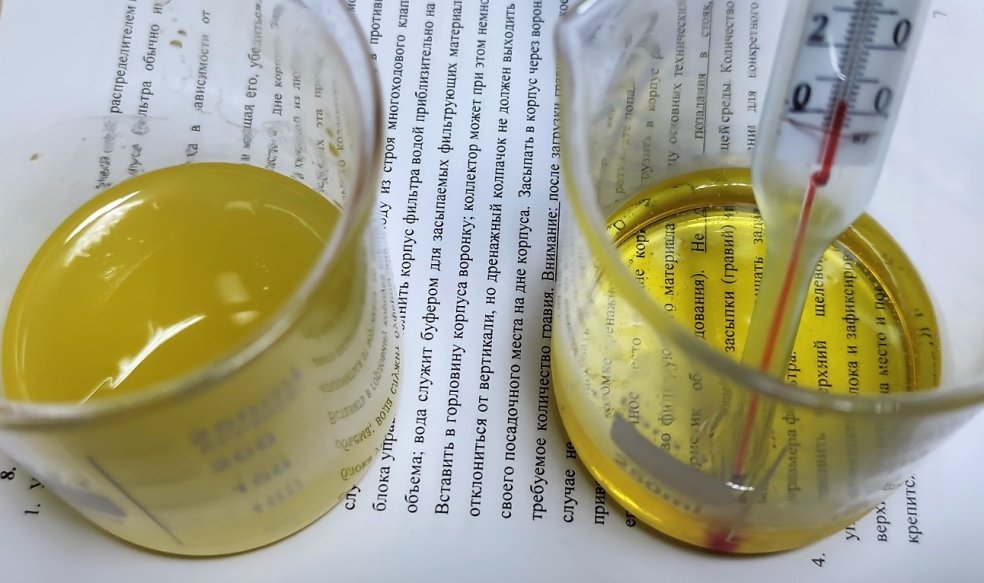
Fish waste in the production of fish oil has great prospects for further use. A rational approach involves the transformation (valorization) of such waste into products with added value: biofuel, industrial chemicals, animal feed, organic fertilizers, nutraceuticals, and others.
Membrane methods, due to their intrinsic properties, are considered as a valid alternative for the capitalization of these wastes in accordance with the ecological and economic principles of the fishing industry. Membrane processes are a technically efficient and environmentally friendly solution for cleaning, filtering and separating the necessary substances.
The Novasvit company presents an overview of the most significant applications of membrane-adsorption technology, both for the main and for the recovery of by-products from fish processing waste, taking into account the most important directions of production and the most promising options for the valorization of secondary products of aquaculture, in particular:
- filtration and separation of substances in the process of fish oil production
- purification (whitening) of fish oil
- removal of persistent organic compounds
- purification of fish oil for biofuel production
- treatment of wastewater from the fishing industry
- рurification of "bloody" drains
- рurification of fish silage
When a membrane method is used, the process must be well tuned to maximize product purity and yield. Therefore, the membrane pore size, pressure, flow rate, pH, concentration of substances in the solution and other important parameters should be taken into account.
Simultaneously with the membrane, at this stage it is necessary to optimally select the adsorbent and its quantity, time and temperature of interaction in order to maximally remove unwanted compounds while maintaining a high content of useful substances.
Filtration, purification and separation of substances during the wet pressing process:
The extraction of fish oil by wet pressing is the most commonly used method for production on an industrial scale and is mainly carried out in several stages: cooking the fish, pressing, decanting and centrifugation.
At almost every stage of production, the Novasvit company's membrane adsorption technology can be used to separate and recover the necessary substances, optimizing the fish oil manufacturing process as a whole.
Purification (whitening) of fish oil:
The process of bleaching fish oil is necessary to remove impurities (pigments, products of lipid oxidation and protein breakdown, etc.) for further improvement of organoleptic indicators, quality and stability. This is especially important when fish waste or fish oil that has expired or has been improperly stored is used as a raw material.
Removal of persistent organic compounds:
Pollution of water resources leads to the appearance of persistent organic pollutants in fish oil -- especially toxic for the human body -- such as polycyclic aromatic hydrocarbons, pesticides, polychlorinated biphenyls, furans, and dioxins. These highly stable fat-soluble compounds bioaccumulate in the inhabitants of the aquatic environment, especially among fish of predatory breeds, which occupy the upper rung of the food chain. For this reason, it is important to thoroughly purify fish oil to remove potentially dangerous impurities.
Purification of fish oil for biofuel production:
The fish processing industry generates a significant amount of by-products, which after processing have a wide perspective. Fish oil obtained from fish waste is much easier to direct to the production of biodiesel, the further its use in the food and pharmaceutical industries, given the specific production requirements and strict quality control systems.
Treatment of wastewater from the fishing industry:
Wastewater from aquaculture enterprises, generated in the process of fish processing, needs to be disposed of. These are washings from containers, equipment, fish carcasses, which contain blood, bile, fat, phosphates. Suspended substances predominate in the composition of such washes. This group includes filter sediments and sludges after separation, as well as various broths formed during the cooking of raw materials and the production of fish meal.
The characteristic features of these effluents are the content of total suspended solids (myofibrillar proteins, collagen, gelatin, enzymes, soluble peptides and amino acids), fats and oils, as well as pigments and minerals.
These substances, after being previously separated and purified, can be turned into value-added products instead of disposal. Water, after being purified, is returned to production.
Purification of "bloody" drains:
One of the most important procedures is exsanguination. When the fish is taken out of the water, it must be bled for a certain period of time. Otherwise, it will not be possible to properly prepare it for storage, and the taste qualities will also decrease. For this, water is used, which for 40 minutes is filled with fish blood and mucus, turning into a "blood jelly" at the end. This by-product should be purified and separated to obtain the added components cost, which can be used for the production of biologically active additives, as well as for the needs of the food industry.
Purification of fish silage:
Silage production is a simplified low-cost hydrolysis process. Fish silage is a very valuable raw material -- it is liquefied fish stabilized with acid against bacterial contamination. The process involves grinding the fish, followed by the addition of acid for preservation. Fish gut enzymes break down fish proteins into smaller soluble units, and the acid helps increase their activity, preventing bacterial spoilage.
Fish silage is produced in two forms: liquid and dry. In the dry state, this product has several advantages: longer shelf life, convenient storage and transportation.
Therefore, in order to use fish silage as rationally as possible, it is necessary to dehydrate it, having previously separated the protein part from the insoluble and fat fractions.
It is very important to adjust the membrane to the desired size of the particles that need to be separated so that the filtration process is effective, thereby avoiding unpleasant "slips" or, on the contrary, "clogging" of the membrane pores. Therefore, it is necessary to find the "golden mean" of filtration, balancing the characteristics of the membrane with the properties of the substance in accordance with the qualitative and quantitative indicators of the final product.